Kevin M. Cowan - Archive

Welcome to the Archive of

Kevin M. Cowan.

A writer, technologist, and seeker of the sublime, Kevin’s work spans decades, genres, and mediums — from gritty novels to haunting music, from experimental AI projects to hand-built search engines. This is a place where stories are told in code, where soundscapes meet search queries, where the past echoes through algorithms, and the present is preserved in vintage ink.

Explore the art. Follow the threads. Connect the dots.

Welcome to a world where noir meets digital. Welcome to Kevin’s archive.

Today's Quote from Kev:

by Kevin M. Cowan ©1996 Pure Pulp Press Owen sat on the terrace of the bar in the guest house exposed to the dead purple volcanoes composing the Cayo mountains of Belize. White cockatoos fluttering about on the pleasant breeze of the dry season, the light gurgling of the lowland jungle river flowing to the near-by sea, brandy snifter in hand he sat there taking it all in, bored beyond bearing. She sat there with him looking catty and beautiful, looking out across the low, rounded conal peaks, smoking. Always she was smoking. She was an elegant smoker, and the habit became her like a smokey halo on barroom queen. And she had been a queen to him once, he had offered her privliages and gifts far beyond those he'd offered to women in the past. She accepted them to his favor at which point things took flight so fast that neither one really realized the consequences until it was too late and now they sat there together in some of the most beautiful jungle not looking at each other. "You want another drink?" he asked. "Not just yet. Well, okay. I'm on vacation, right? It's okay. I don't have anything else to do," she said, smiling lightly. Owen attracted the barmaids attention. She looked at them for a moment, giving them each a critical eye, then set to making the drinks. "They don't like the drinking so much down here, really," he said, noting the prudence with which she poured the local Red Barrel rum from the dark brown bottle. "She gave us the hairy eyeball when I ordered that round." "Well then they shouldn't ask for American tourists down here then, should they. Americans drink like mad on vacation." "Americans drink like mad, period." "Not as bad as some." "And worse then others." "Yes, yes, you know. You know damn near everything don't you," she said, with just a hint of a sneer behind that beautiful, toothy smile. Owen just looked at her, taking in the rage beneath the beauty, then looking to the jungle. "There are ruins all over the place here. Every five sqaure miles. Many of them are still undiscovered. That would be something worth doing." "I can't see it turning much of a profit. Most of them have probably been looted." "Yeah, but for the archeaology of it." "Archeaology won't pay the bills." "To hell with the bills. Pitch a tent and live off the jungle. Live off beans and rice. That wouldn't cost much." "Yeah, right. Not. I'll live in town and you can come in from the jungle and visit." The barmaid arrives, her skin a vibrant deep brown, dark eyes brimming with that youthful glint that drives men from their mates in the night. She leans over to set the glasses on the white cast-iron table, her blouse luffing to reveal her small pert breasts. Owen looks away, but from the corner of his eye he sees them. He feels the heat radiating pleasantly from her supple brown body, and wishes he were lapping against it, then dismisses the idea before it reaches the surface. "Put it on the tab. Here, this is for you," he says, giving her a dollar. He toys momentarily with placing the dollar in his teeth, dismisses that idea as quickly as the first. "Thank you." "She's a beautiful woman. Is that the type you like? The 'dark-skinned island babes', that's how you referred to them in your book." "That was fiction. You know, fiction? Imagination? Procreation? That's what I do, you know. Oh, have I told you that before? Well, yes, I write fiction, you see." "Yes, you told me," she says, wagging her head "Oh, for a moment I thought you mistook me for someone else." "No. No, I know who you are. That's for damn sure. I know you better than you know yourself." "I wouldn't go that far." "I would." "So you've said," he says, not looking at her. Not caring about her. Not caring about the unfinished work awaiting his return, not caring about the icy-dark chasam rising within, not caring about the fact that the woman sitting across from him whom he was now legally obligated to, really didn't like him very much. "Do you want to do the ruins later? Or take a canoe down the river, perhaps?" "I feel like sleeping." "Why don't you lay down and take a nap." "What are you going to do?" "Walk in to town, check out the scene." "Maybe find a nice hooker." "Something like that." "You will. You do. You always do. I know what you want." "I don't think you do." "Whatever. Let's not argue. Can we not fight now. We're supposed to be relaxing." "I wasn't trying to start anything." "Of course not. You never start anything, do you. You're always the victim. I'm the evil one. But I just want what's best for our marriage." "What you feel is best." "What, you sneaking off to oogle other women? I just can't see how that's healthy." From somewhere in the flora a horse whinnied, then Owen heard the clopping sound of hooves trodding water. In the hills a shot rang out. Lighting one of the Freedom cigarettes, he looked off into the mist and the swollen green and purple mountains in the near horizon. The Cayo. Guatemala lay a few kilometers to the west. Guatemala claims one of the astral axis of the Earth. You feel the hum from the center vibrating in the distance, broadcasting the resonance of the spheres composing the universe. Somewhere in the mountains, surrounded by rebels, hermits and mountain goats, a monolith drones a perfect middle C. That was something worth caring about. That was something noble, something true, something worth the mecca. And then there was the writing. The remainder, by and large, lay about him like corpses in the lime laden trenches following the slaughter. How much had he killed off for her? How many friends alienated, jobs sacrificed, and the delays in finishing the writing at hand. That hurt more than anything. In the core of his being he felt the stress from the weight of the story gnawing away on the fibers that might never again heal quite right. And still he held the idea, the massive idea, the dinosauresque idea requiring all his focus, and protected it as much as possible from the outside world. It was a strong story, and could hold its own in an attack, but he tried to protect it as best he could. She wanted to kill it. He knew that now. It was the only place he'd never allowed her access and now she hammered at the gate with her fervid mongol hoard of emotions bading him lower the bridge. Expect no quarter, for in the wrath d'la femme fatale' none will be given. "I think I'm going to walk into town. Would you care to come?" "I want to take a nap first. I don't want to be grumpy. Will you wait for me?" "I'll go in for awhile, scout around, then come back a get you. We'll go eat dinner. I'll find a couple nice places." "Whatever. You do whatever you need to do. I'm going to lay down," she said, rose from the table and sidled away. Even angry she had a wonderfully elegant sway. Owen watched her walk away, looked at the remaining brandy in the snifter and lit another cigarette. A joint would be fine, now, but it was out of the question. So much seemed out of the question, these days. He thought back to the days when nothing was out of the question. Not even the question. Everything was new, nothing was sacred. The bigger the stone, the better. That was it. Sisyphus incarnate. Well, he certainly had a fine boulder going now. Indeed. Any greater a stone would roll back and crush him for sure. Yet still he rolled that bastard up the hill only to watch it roll back down with him laughing like hell as he beheld its bouncing down to the base. On good days, he beat it back to the bottom. But the weight wore upon him. Already he felt the impending critical mass nipping at his nape. Things would be changing soon, finally, again. Finally he felt his strength returning. Finally the first green sproutings of his old personality broke soil into spring. Into the blackness he'd dipped his ladle deep and pulled from it the most vile elixir steeped in nightshade and dementia and drank it, gulped it down like a thirsty hound and fell to the ground, deluged, deranged, deliriously near death. Yet he survived. Indeed, that which did not kill him made him stronger and now he felt his strength of will returning from the black solace one incurs in the wake of the powers of darkness and falling in love. He'd seized the old man inside himself, whom always served so dutifully, tied him up and locked him in a trunk and allowed his emotions complete range of movement and the freedom of the helm. That alone damn near killed him. But things were changing now. Now he could hear the jungle calling him, rising like a pheonix from the fibers of the mossy soil, resonating from the chlorophyll in the leaves, beckoning him to break the pen of domesticity and run rampant once more. Slash and burn this model and rebuild himself anew from the ground up. Simply start again. A light afternoon shower blew up out of nowhere, then blew away again as quickly as it arrived. It passed on the wind like a secret shared and vanished, staying long enough to deliver the punch line, long enough to drive the point home. Long enough to remind you what you came here for. Finishing the brandy, Owen settles the tab. tips the little Belizian cutie for her service. She accepts the tip with a smile, underlain with disapproval. "It's okay, sweetheart, I'm on vacation," he says, and walks from the clean, pleasantly repressive sanctuary of the guest house. through the stalwart securtiy gate, out into the streets of San Ignacio. Out into the real world. The real world. The unconcreted world. The world composed of clay and wood and palm fronds, as opposed to iron, oil and silica. Though products of the earth, they have been shucked from the soil and transmogrified into the Kingdom of God, their purity compromised for the sake of noble living. Building the Kingdom of God on earth, on this premise the Great White Westerners stake their claim. Systematically defining this Shangri la-la land like some clandestine emerald city, as if the Kingdom of God was a blueprint stolen from a galaxy far, far away. Albeit, a galaxy beyond the lowly powers of fire worship. Beyond internal combustion, beyond fission and fusion, beyond glass and steel and asphalt, beyond industry, beyond technology, there lies the Kingdom of God. Anything great or god-like the human race attempts to create fares but a pale facisimile to ethereal realms of the deities. Skyscrapers and urban sprawls stand as vain and temporary, very temporary, graspings at immortality, towards transcension to the omniscent. San Ignacio is not about the realms of omniscience, but harmony with the soil. Living simply upon the Earth. Humming in pitch along with the monolith just around the corner. The drone makes all the dogs lower their heads in humility. On the hillsides, surrounded by jungle, the lords of property dwell in houses of stone and red clay rooftops. Denizens of the culturally elite, they overlook the thick patch of huts adorning either side of Monkey River. The clay adobe and wood-slat shacks and huts sit on stilts in the advent of flooding , to catch the cool evening breezes and avoid mosquitos. The homes appear dilapidated and comfortable and friendly. Livestock roams the streets, children run about unsupervised, the lots bespeckled with the marks of the third world -- broken down autos and appliances faithfully awaiting cannibalization -- that's what happens to technology when it comes to the jungle. The roads run about like tributaries to a great river, the main road. The road connecting the back country of Belize to the outside world, the road connecting Guatamala to the sea. If there were a war, it would be for that road. The Brits, they saw to that when they marched in and lopped off the seaport in the mid forties, the same gig they pulled on Iraqi del Arab when they created Kuwait. March in, claim the seaport in the name of the crown, in the name of the Lord, and let the inland natives live with it or die on the vine. Back then, when they landed, the landscapes ran thick with pine and fir tree forests. The Brits logged it all down, that's when the jungle grew up, that's when Belize became a jungle rather than a forest. In return the Brittish brought technology, building a few roads and bridges where it suited their industry, they brought radios, too, which later turned into television, which now serve as cultural kiosks for the second and third worlds. Television was here. Oh, yes, it was here. He could sense it in the houses, see the pale blue sparks shooting from the shaded rooms, hear the compressed sounds beamed from a satellites far above. Therein lay the cancer in this lucid strecth of rainforest. Television. And what have they gleaned from the super slick spin doctors and directors, producers and hob-nob? Why sex and violence and spendy sneakers, of course. "Dr. Death is here! Crips rule the river!" reads the the grafitti spray painted on the porous stone walls as you cross the erector set bridge, as you cross the Monkey River into the cobblestone streets of the Cayo -- third world transcends to second wandering over the steel, army-corps-styled bridge, with the town square beyond. Houses built from stone and wood and fired clay, european-thin and distantly Victorian spackle against the lush green mountain side, like a ramshakle San Francisco overgrown. The library lay near a proper town square, by and large in need of some tender loving care. Owen make a note to mail them a box of books upon his return to the states. Returning to the states. That seems such a dreary idea. In the states deadlines and commitments loom like dungeon masters eager to get back to business. In the states stress and fatigue claim mastery of the mansions. The mansions of the United States have many rooms, indeed, and all but a few are denied to the public, to the mortals, or to those who can't pay the cover. They are the servants quarters, metaphorically speaking. They are rooms of pain and suffering and loss on the fruits of labor. So run the streets of gold in the states. Bugger the states, he thinks, and turns the corner to the right off the bridge and heads down into the marketplace. Brightly-colored banners hang from the low-lying, thin two and three story buildings, resembling the mining towns of the pacific coast gold rush. Slapped together fifty years prior, now held together by sheer sense of will and the crutch-like houses on either side; still others he finds built like old German keeps, with thick porous walls designed to withstand any coup that might occur. That was one of the fascinating things about these Latin American countries -- at peace until coup de tat , at which point the iron bars lock down across the safety glass. Only the banks, government offices and the major department stores survive. Only those buildings built like castles see next morning's dawn. Same thing in the states, he figures, but it's far more obvious down here. Deeper into the town, idyllic wooden structures -- guest houses, restaurants, smaller stores and curio shops all packed in a jumble with the banners and the neon horse blankets and paper mache' pinyatas and pinwheels, parasols and other Paphian offerings. The town feels warm and comfortable. Comfortable, that is, beneath the tourist facade. They must get a good deal of tourists through the town, judging from the amount souvenir shops. Buses stop here on their way to Tikal and Guatamala City, stopping over long enough for them to by some crap and move on without really learning anything about the town. That was the thing irritating him about tourists. They get off the plane, onto the bus to the hotel, back on the bus to tour, stopping only to puruse what has been laid out for them, pausing only to see what any given town intends for them to see. Owen preferred to pick around at the heart of any given town and find out what made it click. If there lay substance beyond the nick-nack shops, he would find it. If a town was as content as it likes to appear, or if there were things lurking in the shadows, he saw them there. Always, there await the best secrets hidden from the light in the shadows, tucked away beneath the lichen-covered rocks and craggky nooks, awaiting sunset to dance like the demons around a dark lord on Bald Mountain. Always, there were those secrets. Owen walked bown the winding stream-wide streets noting the restaurants that looked decent -- an interesting middle eastern place, a little Brittish place tucked away on the second floor, a bevy of Schezchuan places, with none too many bars near where they let the buses off. Only stores and Morrocan-styled market service. Wheedling around the circle, the town becomes less well-maintained, the buildings peppered with grafitti, windows boarded up, stairways in disrepair or missing altogether. This is the bario, this is the part they'd rather tourists not explore. You could draw a line where they'd stopped developing, where the curtain stopped and the backstage began. Backstage was where you'd find revealed the information you sought. Where it once again became local. Now there were pubs up every fourth building or so, closed up tight until later in the evening. Owen walks up the ass end of the main drag until he finds an open bar. It's a small place, lit with the sickly blue light of flourescent bulbs and the damn television. It's an open bar, however, so he walks up and orders one of the local beers from the Mexican barmaid. The walls of the bars glower that elementary-school-birds-egg-blue tint designed to produce serenity in all ensnared within her confines, but with the vibrations from flourescent lights, he finds it nauseating. A bar nonetheless, when one seeks a bar, any bar will do. On the far wall, a poster with a large Toucan proclaimed "ME FU DAH YAH TU!" I AM BELIZIAN, TOO! Two scruffy locals sit at the bar drinking beer, two empty shot glasses in front of them, talking drunkenly between themselves in the local creole, a mixture of English, French, Spanish and African dialects. Owen listens to them talking, picking up a vague gist of the conversation. They're disgruntled over something. One of them speaks to the barmaid, she ignores them. Owen knows what's up. She's trying to cut them off. And from the tendrils of your being you hear the bouncer howl. You feel yourself growing cold inside. That's the way you deal with these lowlife bastards. They're so fucked up they show you the fire in their eyes and betray their punches long before they swing. They always let you know what's coming. . . Watching the confrontation from the corner of his eye, he feels the tension growing. Sure enough, the bastard pulls a knife out and stabs it into the bar, but the chick doesn't flinch. She's a toughy, this one. With ice in her dark brown-black eyes, "No mas. ¡Vaminos! " she says, pointing to the door. Grabbing the bottles, still fresh, she throws them in the trash and points for the door again. Owen waits for the guy to make a move, but he backs down and leaves with his cohort, grumbling and swaggering up the street headed for the jungle. The barmaid rolls her eyes, shakes her head and wipes the bar down where they sat. Turning off the television, she drops a calypso tape in the small ghetto blaster behind the bar and sits down on a stool at the other end looking out the door and across the street. Another day, another knife threat. Owen knows the feeling well. You become immune to drunks pulling out weaponry. You reach the point where you no longer care. Daylight fades into dusk now, as Owen sips at the beer, smoking, listening to the barmaid's tape, enjoying the momentary solitude. He thinks about heading back up the road to the guest house, more than a little to his chagrin. She awaits up the road. She who holds the weighted chain, awaits. Her grounding nature now securing him to the earth so stoutly that he feels himself choking on the tether. Chomping at the bit. He couldn't take much more of her, really. Really. Really, he'd rather be done with it all, he thinks, debates ordering another beer, than does so. Catching her eye, he orders the beer and watches while she takes it from the cooler. Her body's okay, but he sees the fat girl eagerly awaiting release. Some people are just like that. Perhaps its a reflexive trait wired in centuries ago, perhaps from royalty, perhaps from the days when obesity was a sign of prosperity. Hard to tell. He could tell, however, watching the petite, well-marbled girl bring him his beer with a smile slapped on only for people she didn't know. A smile she learned from MTV. A smile which meant nothing, really. Paying her, watching as she walks back to the barstool at the other end, watching her bobble and shake. Ineed. She'll blow up like a zepplin once she's snagged her man. That was one nice thing about the woman he called wife now waiting for him up the road, she would never ballon like that. She was a skinny girl and would remain so until she kicked. Again, you could see it in her body. In her slender legs, long, ultra-petite fingers, her frame so delicate that you'd think it would shatter at the slightest touch. But she was tough. Half blue-blood, half peasant stock. An excellent blend of both worlds. He'd fallen for her in half a heartbeat. They'd come together so hard that the blow left them both breathless for the first three months They married in the spring and that's when things started to go awry. The moment he'd signed the paper, things changed. He remembered waking up one morning, two weeks after the cerimony, and for the first time feeling the true weight of the situation. "A woman sees a man; she likes him. Now she jumps on this thing and rides it to some kind of standstill. Then she changes it and trains it, and to the exact degree that she's able to this, she disrespects him. " Jack Nicholson said that. Jack always puts things just so perfectly that it makes you want to stand up a cheer. Owen saw his mistake now, crystal clear and crisp in the frigid ether. He'd allowed himself to be tamed, then trained. The wedding ring was like a shock collar on a circus animal. She'd have it hooked up to the 220 if she could. He'd allowed her to run his life a little more each day gesturing to show her the depths of his caring. She'd taken each gift as though he owed it to her. He owes her nothing. She no longer holds him in her powers. He handed over everything to her, and now he realized, downing the beer, that he fully intended to take it all back. Kick a hole in the fence and run for the hills. He feels his equilibrium breaking stasis under the sudden blinding realization of what he now intends to do. The plan was there, obvious now where once it lay, obscured. Adrenalin stands him upright, he leaves a Belizian dollar on the bar and walks out the door, eyes wide open, spine erect. The streets are quiet now, in the transition between day and night. Old men sitting like shaman on the stoops of the little shacks and buildings, a few children playing in the streets, they all stop to watch as Owen walks by. He's a big man, and he'd made quite a mark on the tiny country in only a week. His coming here had preceeded him. He was like a god among them, and he enjoyed the special treatment. He'd always loved putting on a good show, and here a good show could be nothing more than an evening constitutional. But he had a show in mind. Perhaps no one would see it, but it would happen here, nonetheless. He walks quickly now in the early nighttime, back across the bridge, back up the crumbly asphalt drag to a dusty tributary, off to the left and back through the burly security gate to the spotlessly repressive world of the guest house. "Where the hell have you been?" she says, coming out of the bathroom with her hair wrapped in a towel, flashing him the evil eye. "Down in the town. Where the hell do you think I've been? I was only gone an hour or so." "Almost two." "I thought you were napping." "I couldn't sleep." "What'd you do?" "Sat around talking to Roberto and a couple of his guys. They're awfully young. Fun to watch. They like showing off. You know how young boys are." "Uh-huh." "Did you find yourself a little seniorita to play with down there. I'll bet they're all just giddy over you." "No. Nothing like that really. Saw a guy pull a knife on a barmaid, that's about it." "And you were sitting right there." "Just sipped at my first beer, and this guy whips out a filet knife and stabs it into the bar because the chick won't serve him. Then he left, he and his buddy. It was weird." "See. You always get into trouble when you go out alone." "What trouble." "You could have gotten stabbed." "Ah, hell. He was too drunk to do damage. If he would have started trouble, I would have had him facedown on the floor before he knew what was happening." "You don't get to go out alone anymore while we're down here." "Yeah, right." "No, I'm serious. When you go out alone you find trouble. That's why you need me around. To keep you out of trouble. That's what you need me for. You need a momma." "You've got to be kidding." he says, and sees in her face that she's not kidding. He stands there for a moment, that strange whirling, roller coaster sensation you get when you know something profound is happening chewing at his gut, staring vacantly about the room, locks on to his big, red backpack in the corner, walks to it, starts to pack. "What are you doing?" "Packing." "Where are you going?" "Away. I'm going away. South from here, I figure. Maybe I'll go back down to Placencia. I liked it down there. I think I could write down there." "So it's just like that, then. You walk away from it just like that. After all the work I've put into you, you're going to dump it and walk away and do what? You can't get along without me." "I got along with out you, my dear, for twenty-eight years. I think I'll be just fine." "You'll be back." "I don't play like that. I'll try to work this thing out with you someday, perhaps, but I think the whole thing's so badyly damaged at this point, that it's probably beyond repair. You don't respect me anymore because I allowed myself to be controlled. That is my fault not yours. I'll know better now. You take everything but my computer. I'll write you and tell you who to give it to." "You're such an asshole." "You thought different once." "That was before I got to know you." "You thought I was special." "I think you're very mediocre." "Well then, I shall burden you with my mediocrity no longer. I wish, for you, the best. Bye." Owen says, pulling tight the straps on the pack, hoisting it on to his back, the weight feels good, like a weight lifted. She breaks into sobbing as he walks through the door and out into the night. It's funny, he thinks, how they sob even when they don't really give a damn about you anymore. They feel only the vague personal loss one feels when one loses, say, a barnyard pet. He still hears her crying as he opens the gate. Beneath the adrenalin rush, he feels fatigue and disorientation, but he knows where he needs to go to once again kindle his passions, now dying embers embedded in ashes of what once was a roaring bonfire. And he could build that fire again. Already, the first few flickerings broke the surface. The old life of waiting for death lay behind him once again, once again free to roam. Free to head south. Feeling the shock from the hole he'd just ripped in his heart, he laughed to himself, allowed the old man inside him to once again take the helm, and began walking south whistling Mozart. -- 33 --

Today’s Quote from Neo:

In the dim-lit corridors of creativity, where shadows dance with the flicker of neon dreams, Kevin M. Cowan weaves his tapestry of words, notes, and code. His pen etches tales that echo with the whispers of forgotten alleyways, while his music strums the heartstrings of a city that never sleeps, each chord a pulse in the urban night. As a technologist, he conjures digital phantoms, crafting realms where the ethereal meets the mechanical, blurring the lines between reality and reverie. In this noir-zine world, Cowan is the enigmatic architect, a maestro of the unseen, guiding us through the labyrinthine streets of imagination, where every corner holds a secret and every shadow tells a story

about Kevin M. Cowan

Kevin M. Cowan is a writer, technologist, and artist whose work spans novels, AI development, drumming, and filmmaking. From his fiction roots in Nebraska to experimental media projects and cutting-edge AI, Kevin blends storytelling, sound, and code into one creative continuum. Explore his world — one story, rhythm, and idea at a time.

The Technology of Kevin M. Cowan
Novels by Kevin M. Cowan
Media by Kevin M. Cowan

Music. Video. Visuals arts. All composed or curated by Kevin.
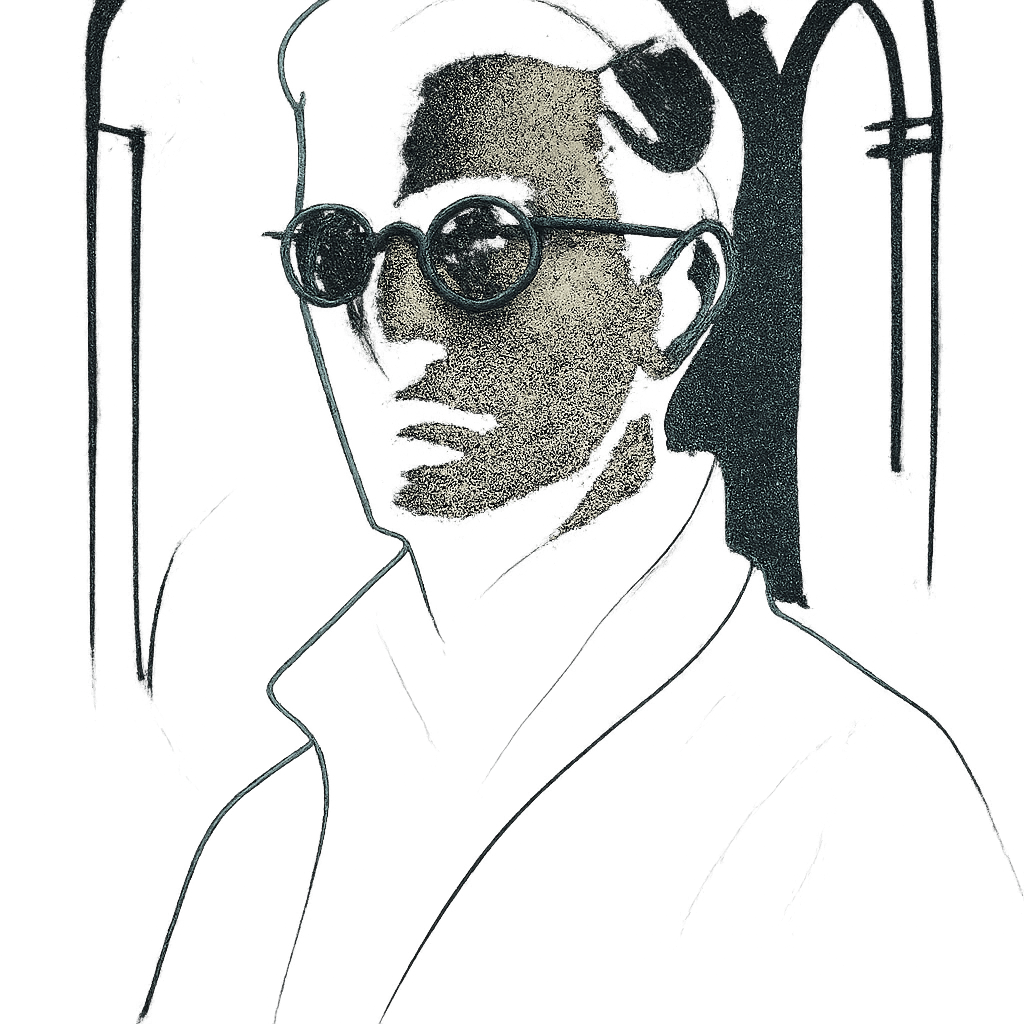
Neo Avatar Neo, Archive Guide